
-
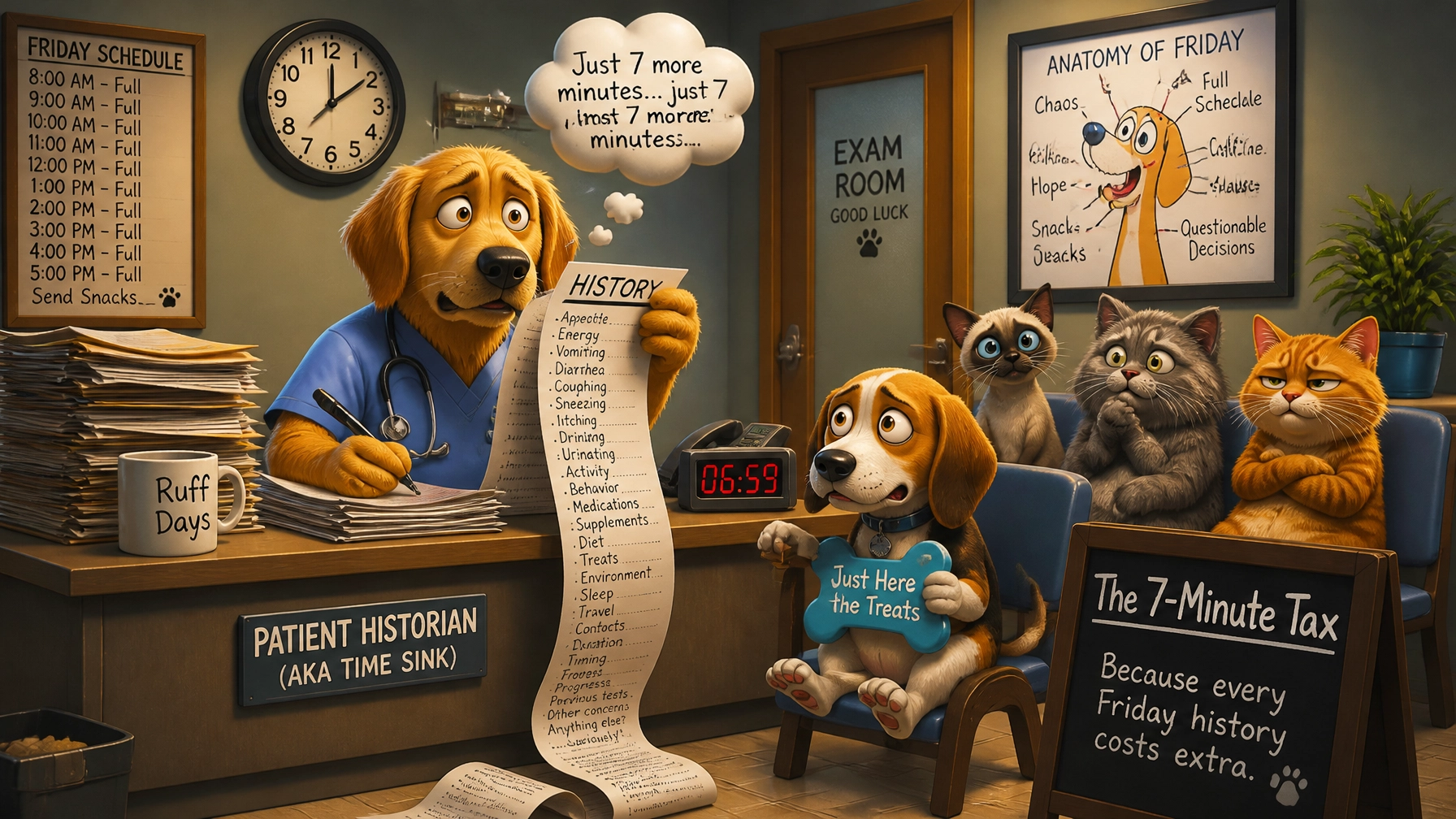
Date: Thursday, June 4th, 2026Category: insights It’s Friday. 4:45 PM. You’ve finished the workup. Now comes the discharge sprint. You explain the meds. The warning signs. The dosing schedule. The weekend plan. The client nods. You hope it lands. Then you walk back to your computer with that familiar pit in your stomach. Did they…
-
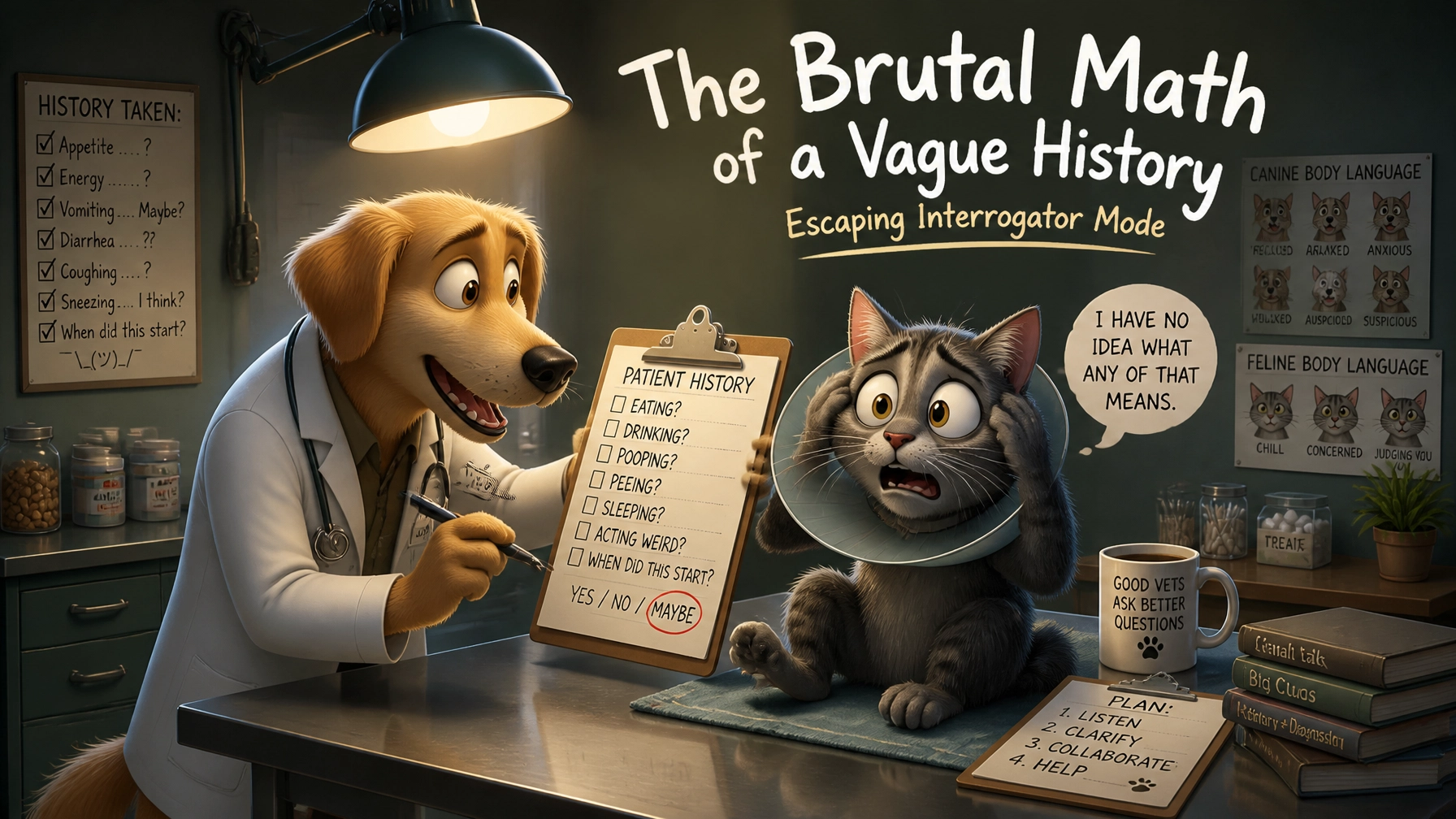
Publish date: Tuesday, June 9th, 2026 Category: insights You know the feeling. You’re three minutes behind schedule. You grab the chart for Room 3. Under "Reason for Visit," the front desk has typed three words that strike fear into the heart of every clinician: “Not doing right.” You take a breath, open the door, and…
-
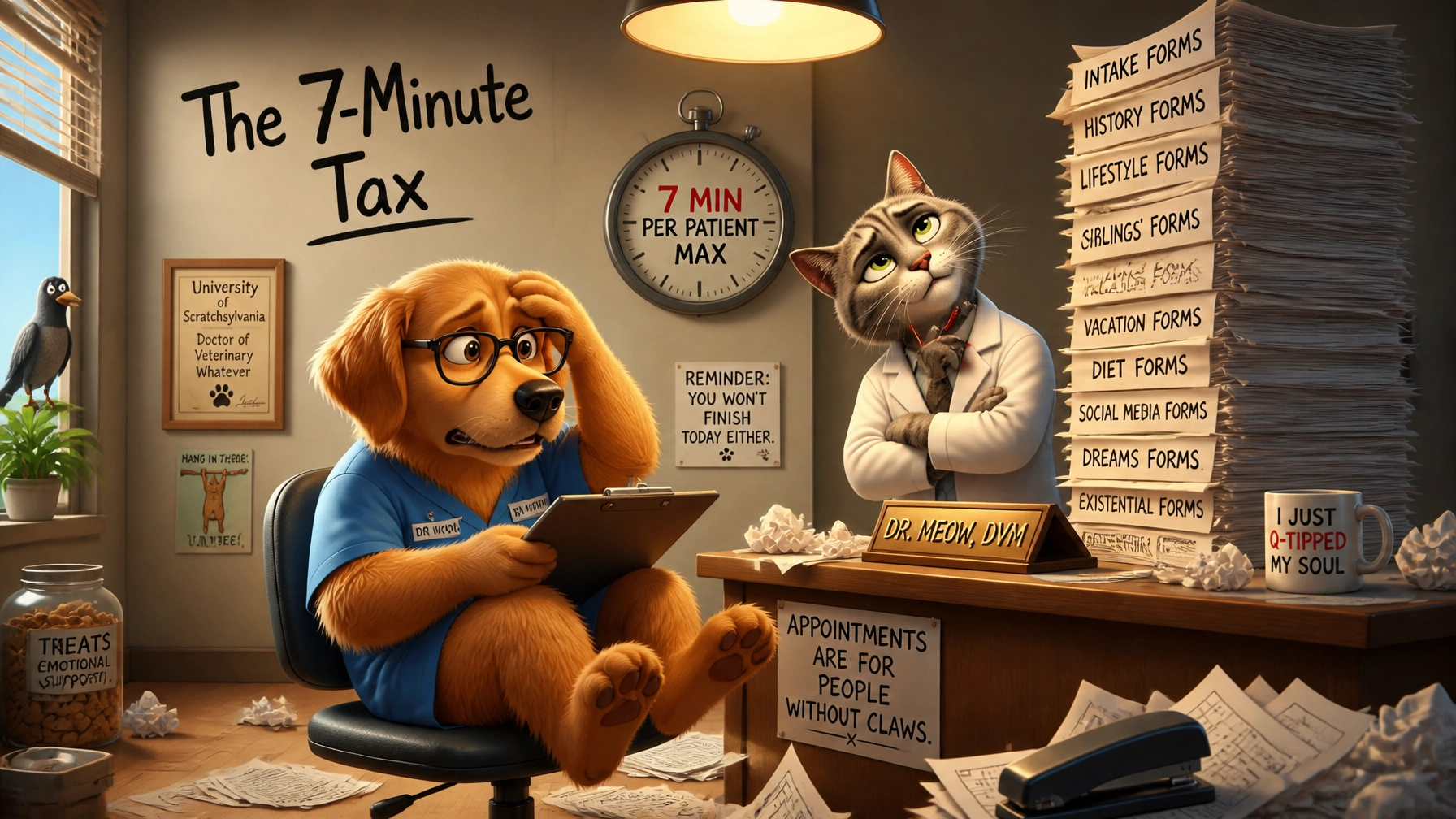
Date: Tuesday, June 2nd, 2026Category: insights Walk into a human cardiologist’s office today. What’s the first thing that happens? You’re handed a clipboard: or more likely, a tablet: and asked to fill out four pages of history. You document your medications, your family history, your lifestyle, and that weird palpitation you had three weeks ago.…
-
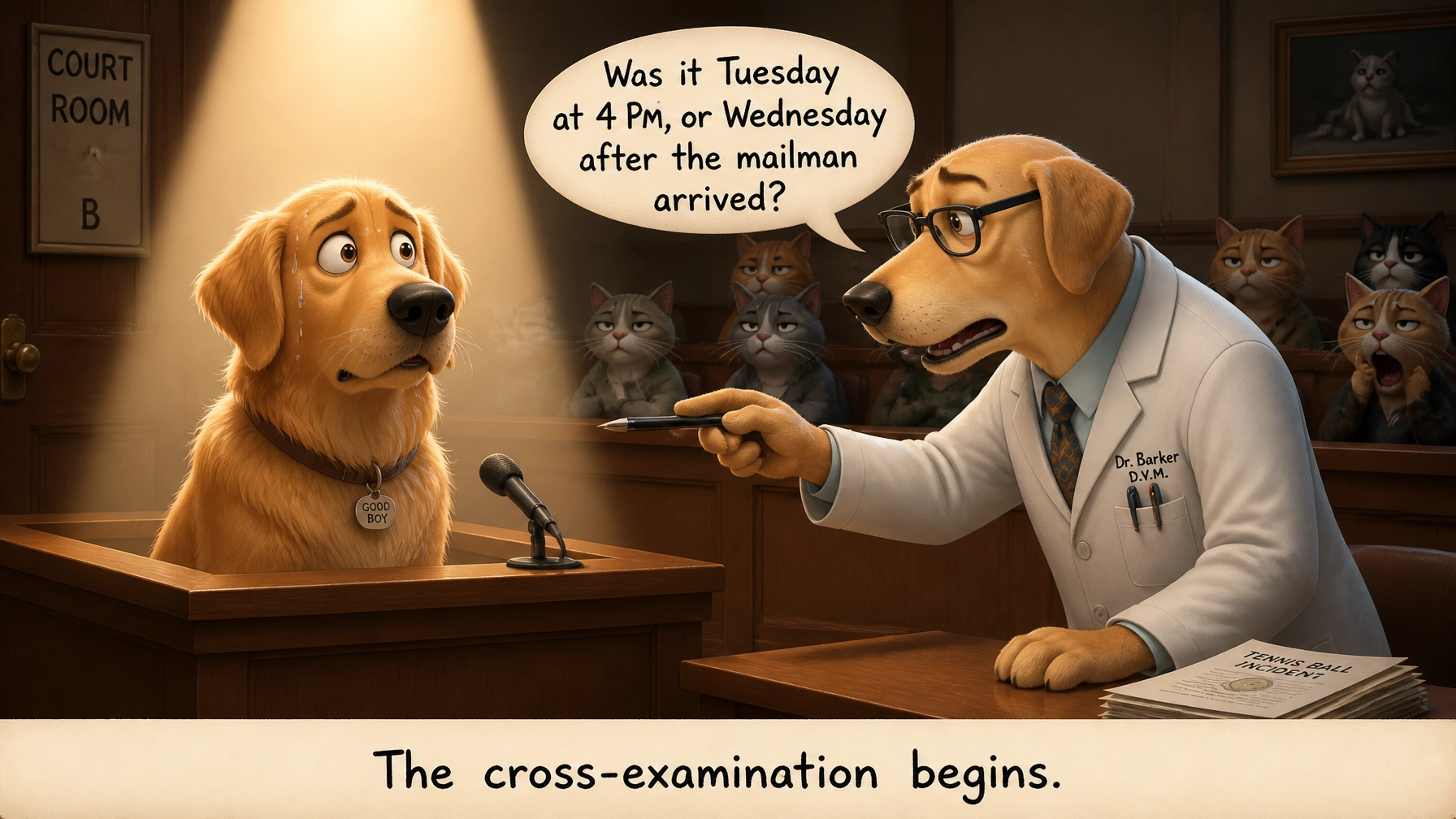
"How long has he been limping?" You wait. The owner stares at the ceiling. They look at their partner. The partner looks at the dog. "Maybe three days?""No, it started after we went to the park on Saturday.""Was that Saturday or Friday?" This is the standard opening act of a veterinary consult. It is a…
-
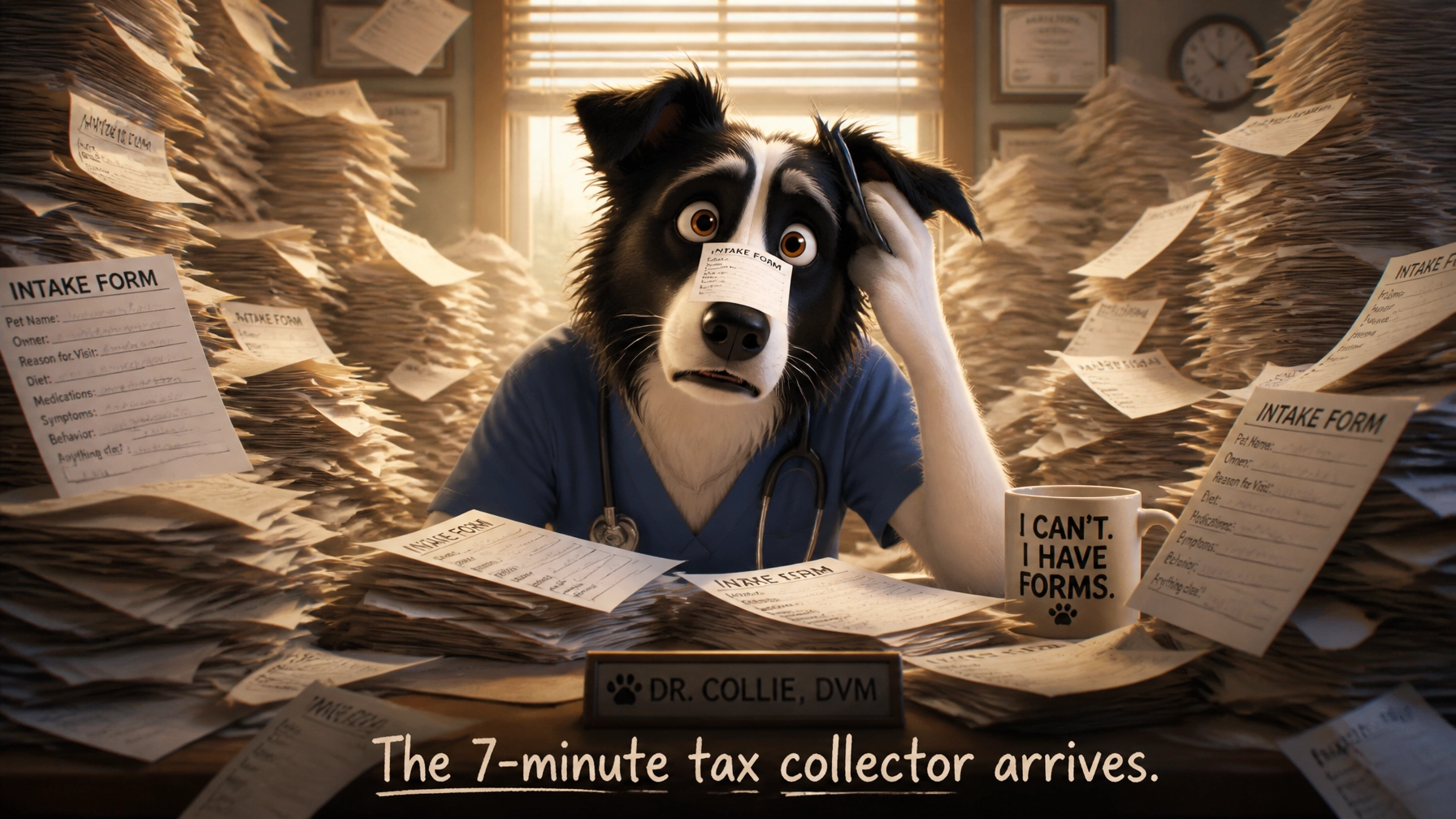
You lose seven minutes every time you walk into a consult room without a pre-collected history. It feels like part of the job. You ask the same questions. You wait for the same long-winded stories. You try to find the "nugget" of clinical truth buried under three minutes of "he usually likes this specific kibble."…
-
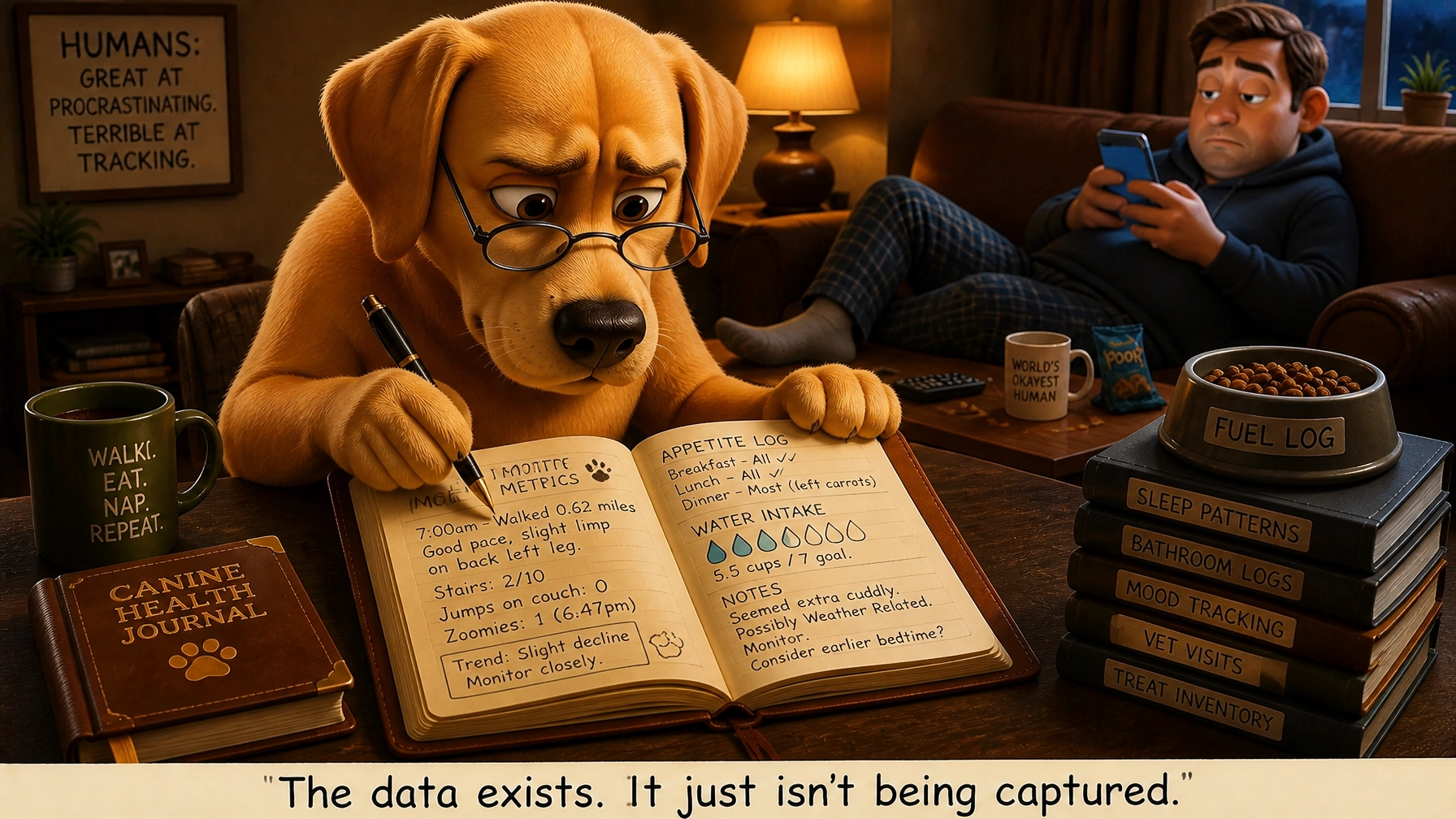
A standard veterinary consult is a short, high-pressure snapshot. You examine the patient. You palpate the abdomen. You check the heart rate. You watch the gait across a sterile floor. But the patient does not live in your exam room. The useful clinical story—the change in thirst, the pattern of cough, the slow decline in…
-
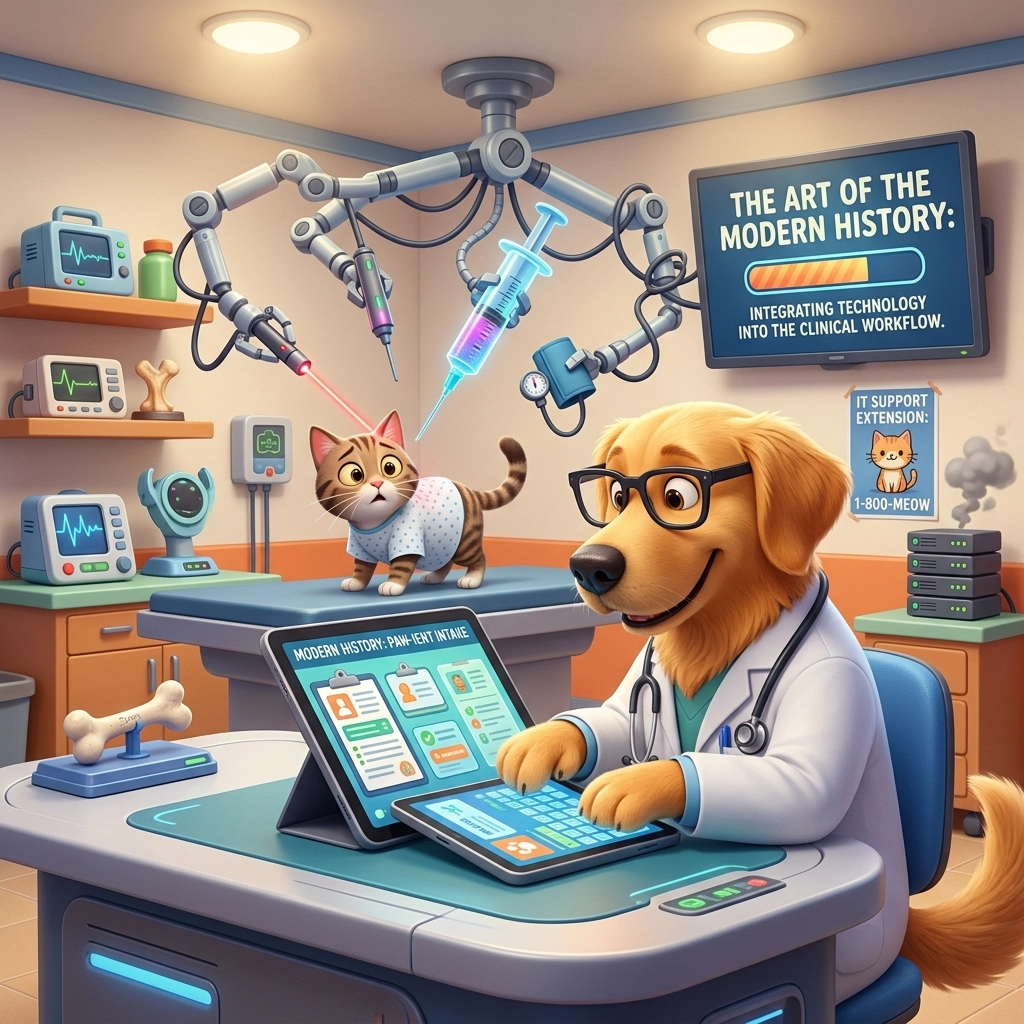
Medical disclaimer: This is not healthcare advice. Just preparation of observations. Walk into the consult already knowing the story. Veterinary medicine looks modern. Digital radiography. Advanced ultrasound. Sophisticated monitoring. Referral-level surgery. The tools in today’s clinic would be nearly unrecognizable to a practitioner from 50 years ago. And yet one core part of the consult…
-

For years, the veterinary industry has been obsessed with one goal: making things "easier" for the client. We’ve been told that any hurdle, any form, or any request for information is a "barrier to care." We’ve been conditioned to believe that the more we do for the client: and the less we ask of them:…
-
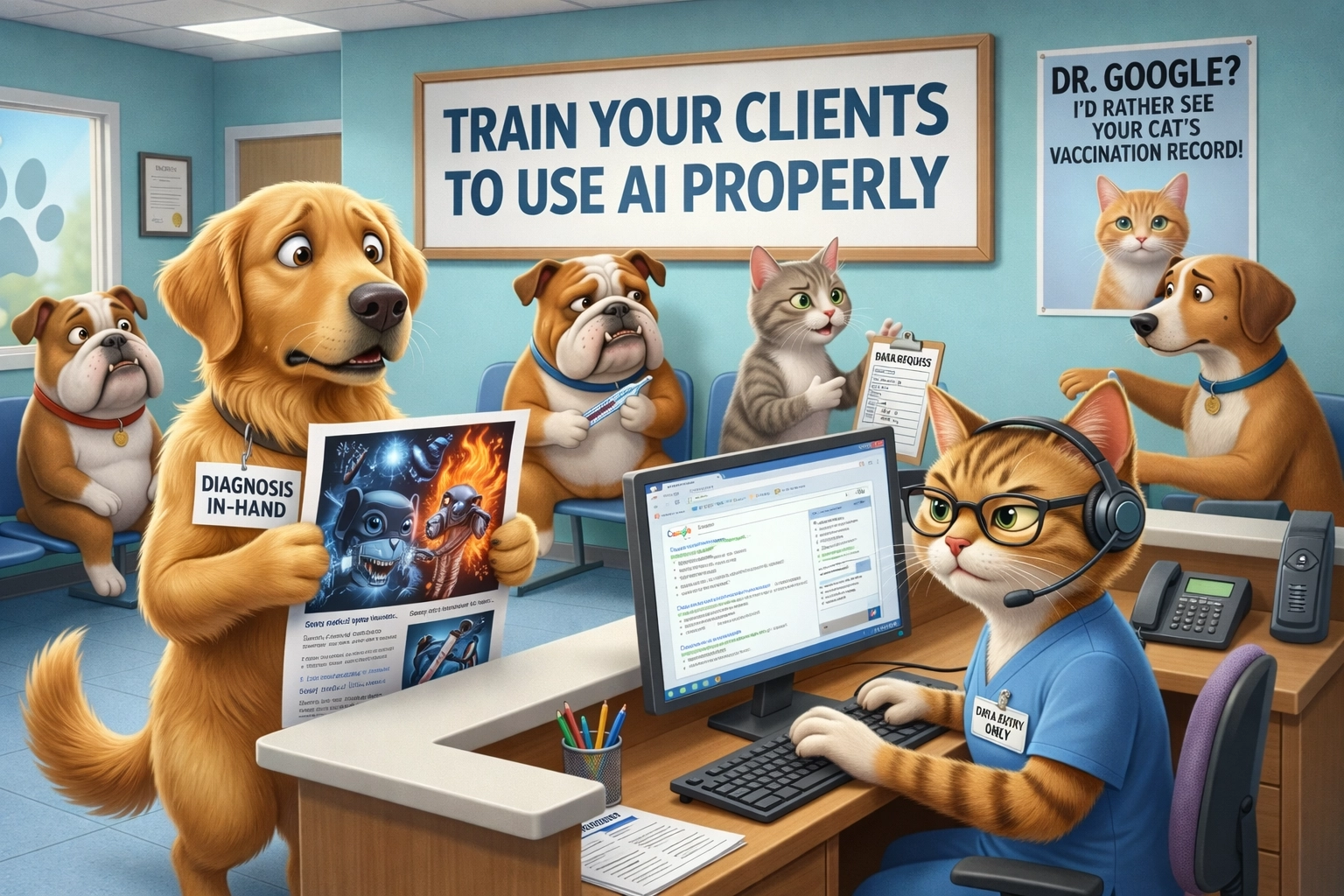
When a pet parent walks into a clinic saying, "AI thinks this is Addison’s," the room gets noisier, not clearer. That is the problem. AI-generated diagnoses sound polished. They feel helpful. But for vets, they often create anchoring bias, diagnostic drag, and wasted consult time. The clinician now has to unwind the conclusion before they…